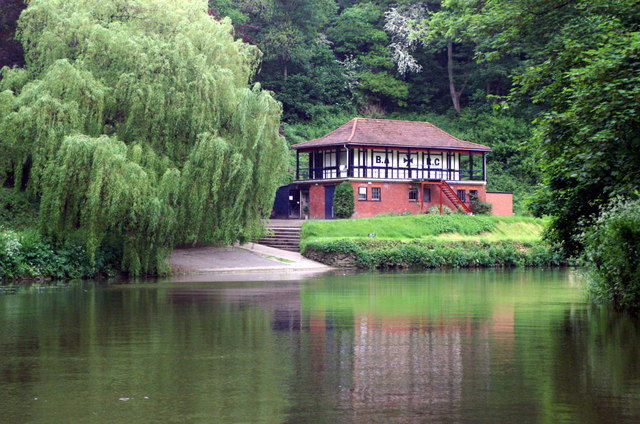
Founded in 1870, Bristol Ariel Rowing Club is the oldest rowing club in Bristol. No one knows why the club was named
“Ariel”, but the boats have always borne the names of characters from Shakespeare’s ‘The Tempest’, where Ariel was
an imprisoned spirit released by Prospero to stir up the storm at the beginning of the tale.

The club was originally based on a barge near Bristol Bridge, in the city centre: surrounded by aromas from the St.
George’s brewery and the less than pleasant odours of the docks. The rowing equipment was somewhat more primitive
in those days: until the sliding seat was widely introduced after 1871 the rowers wore tight linen shorts to slide on a
greased surface with each stroke.

In 1884 the clubhouse was replaced with ‘The Barge’, which was not a barge at all, but a French frigate captured in the
Napoleonic wars. The Barge housed all the club’s boats and documents and a cockroach infested changing room for the
rowers. Much was lost when, just as she was due for repairs, the Barge sprang a leak and sank: but she was raised,
drained and served as clubhouse for another eight years until 1900, when Bristol Ariel Rowing Club moved to St. Anne’s
and the current clubhouse was built.

Our current rules evolved from those in the ornate rule books published since the club was
established. They once specified “no Candidate be eligible who is Mechanic, Artisan or
Labourer, or disqualified in any other way from Rowing as a gentleman amateurn under the
rules of the Amateur Rowing Association”, as the amateur rowers of the day did not want
to compete against the far more active manual labourers.

Ladies could not join until 1926, and then only as tennis members. Before 1926 they were
restricted to making the tea and participating in the egg and spoon races at the yearly
ladies’ days. A lot has changed since then and the club now welcomes everyone.

Each world war took its toll on the club, as active members left to join the forces. Thirteen Ariel members fell in action in
the First World War, and the club was closed until 1919. The premises were then used to entertain convalescing
servicemen, with over 5,000 visiting by pleasure steamer.

In the Second World War, the club was hit in a bombing raid on the strategically important Pumphouse and the railway
line that runs behind the grounds. On December 6th, 1940, a first bomb obliterated the teahouse, blasted the roof off
Avery’s boathouse and badly damaged the clubhouse. The second hit the Pumphouse and took its roof off. The third
ricocheted off the railway tunnel and hit the 4.52pm Salisbury to Temple Meads passenger train, with a great loss of
life. With so few active members remaining, the clubhouse fell into disrepair and boats lay abandoned until after the
war.

When the clubhouse was first built it was far from any buildings and a lengthy walk from the nearest tram stop,
accessible over country paths by bicycle or foot. Until comparatively recently every boat, oar, building material and
rower had to come over the winding path from Birchwood. What is now known as the launch shed was Avery’s
boathouse – leased to the sherry importers for their pleasure boats. The eights shed that the University of the West of
England now occupy was added in 1955, and the big boathouse built in 1971, replacing an older, smaller boathouse.

Bristol Ariel Rowing Club has fostered many rowers at all levels over the years. The one who went the furthest in his
rowing career was
Nick Birkmyre, who won at Henley and came home with a silver medal from the 1960 Rome
Olympics, beaten in the final by the Soviet Union. However hundreds of people have rowed with the club and many
committed their time to coaching others and keeping the club running.

We recently refurbished the clubhouse, and constantly repair the vandalism and battle the weeds, to maintain the
atmospheric surroundings at Bristol Ariel Rowing Club, and we hope to continue adding to Ariel’s history with our own
rowing efforts.
Ariel sponsored by
History